A soft cover journal using the popular French link sewing that opens completely flat and is just the right size for musings or drawings.
Judy Sommerfeldt – Instructor
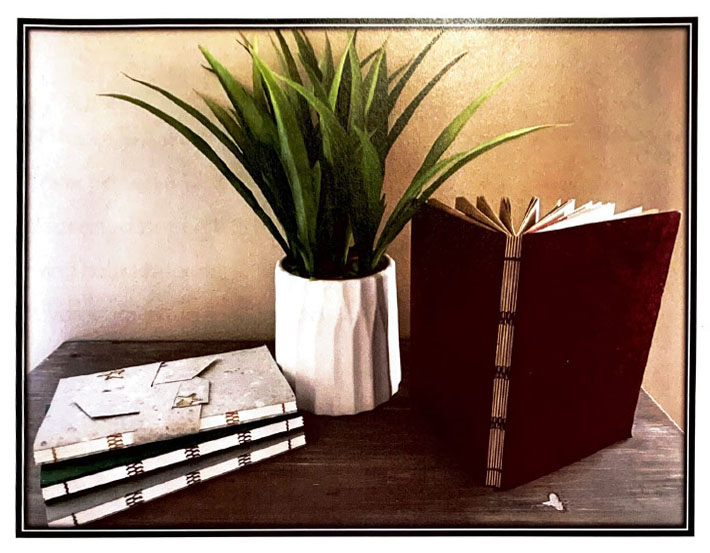

A soft cover journal using the popular French link sewing that opens completely flat and is just the right size for musings or drawings.
Judy Sommerfeldt – Instructor
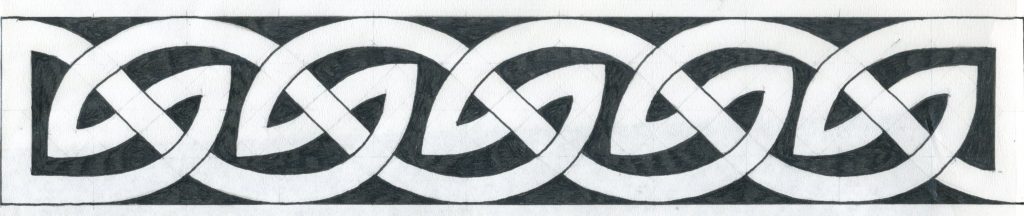
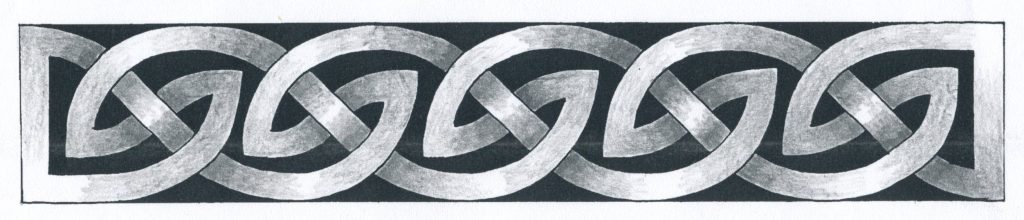
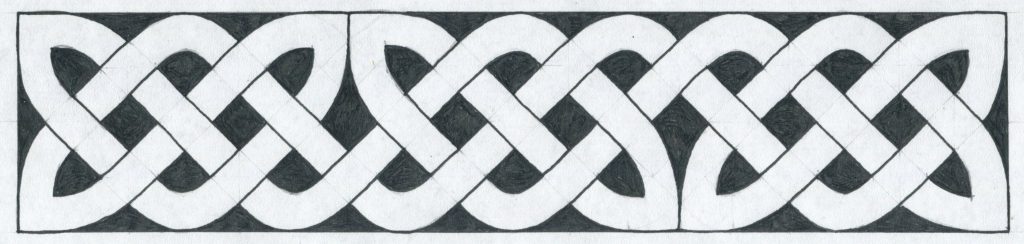
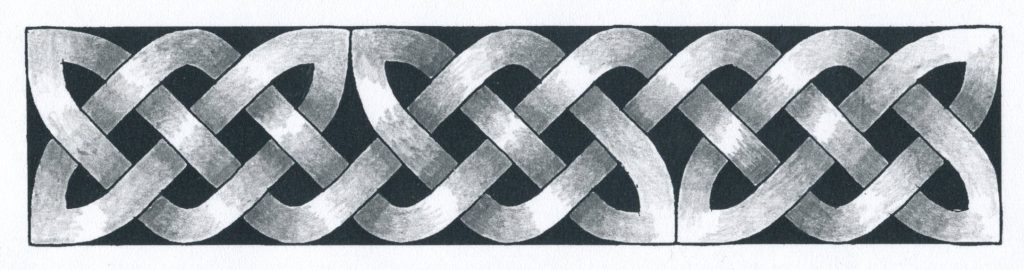
An introduction to drawing Celtic knots using a step by step method developed by Ian Bain.
We will walk through and draw two different types of knots: one based on the “short curve” and one based on the “long curve”. Most Celtic knots are based on one of these two types.
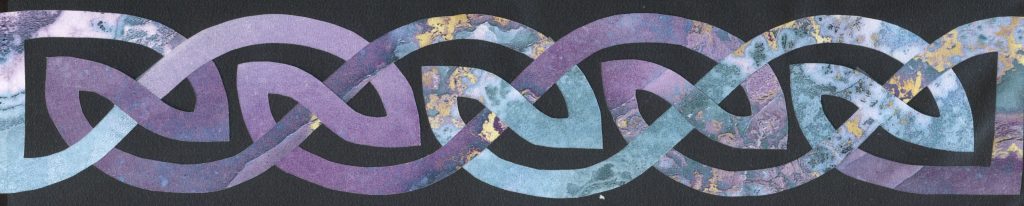
Using the drawn knots, we will walk through the process for creating a woven paper Celtic knot and will complete one paper knot.
There will also be a discussion on the general principles of Celtic knots and how to apply the lesson content for drawing other Celtic knots shown in the handout.
(more…)Supplies List
1/8 Grid Pad
Flexible Pointed Nib – Niko G, Zebra, or similar
Straight Nib Holder
Calligraphy Ink – not too thick
Ruler
Pencil
A few sheets of copy paper
Exacto and Cutting Mat
Paper Towels
Handouts
Optional:
Gum Arabic
Distilled Water in a Dropper
Bone Folder
Legend (pronounced Leg-und) a modern black letter designed by Koch
Handouts: Legend letters – 

Contact Lee Sim to sign up to do bookmarks
Judy Sommerfeldt will teach us Bookhand lettering. We will also learn about making Ensos.Bookhand Letters.pdf
Adobe Acrobat document [1.6 MB]
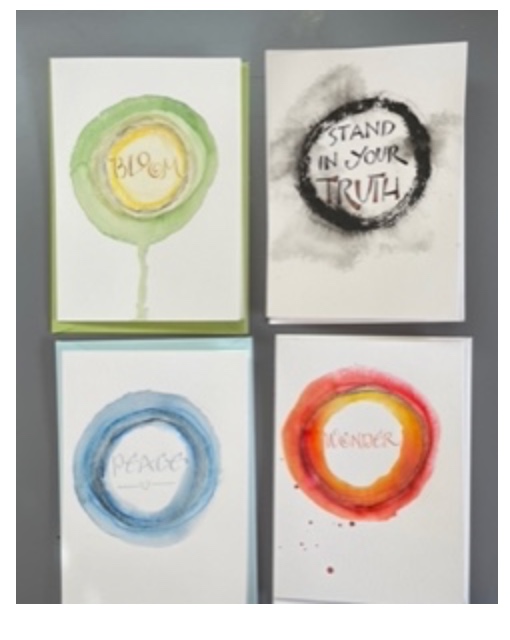
Saturday, April 19th – Humanistic Bookhand by Judy Sommerfeldt
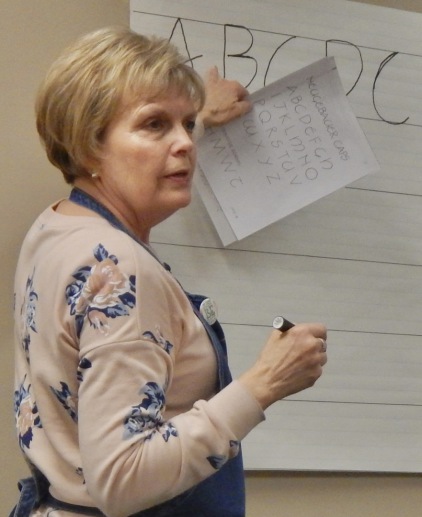
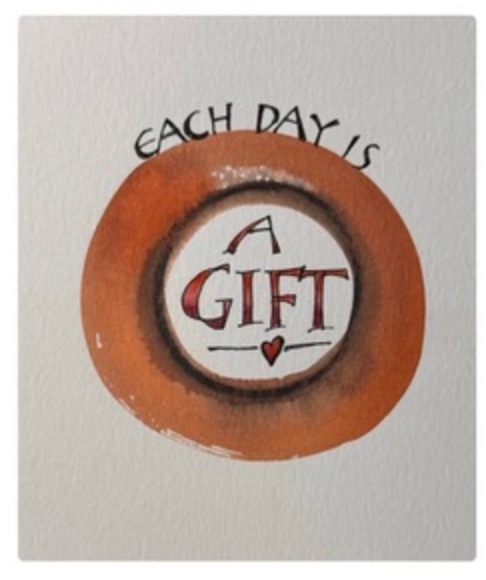
Saturday, April 19th at the Utah Cultural Celebration Center, from 10:00 a.m. to 2:00 p.m. You will find further information on the website. Be sure to print the 6 handouts and bring them with you.
JUDY SOMMERFELDT will be teaching us how to letter the Bookhand alphabet. Judy is a longtime member of Utah Calligraphic Artists. She is a consummate teacher who is a letterer as well as a bookbinder, and has taught each. A past-president of UCA, Judy is also a wonderful wife, mother, grandmother and friend!
Bookhand is sometimes referred to as Fountdational Hand, Roman, and Humanist Bookhand. It was used by scribes in the late 14th century. Jackie Svaren tells us in her book Written Letters that “it served as a model for the Humanist scribes, but by the middle of the 15th century printing had begun to replace the scribes. Humanist Bookhand was used as a model for type, so it is very familiar to us today.”
SUPPLIES TO BRING: